
A Comprehensive Comparison: DIY Tax Software vs. Professional Tax Services
GD
Understanding DIY Tax Software
DIY tax software has become a popular choice for many individuals and small businesses looking to file their taxes efficiently and cost-effectively. These platforms offer a user-friendly interface that guides users through the tax filing process, often with step-by-step instructions.
One of the primary benefits of using DIY tax software is cost savings. With various options available, from free versions to more comprehensive paid packages, users can choose what best fits their specific needs and budget.
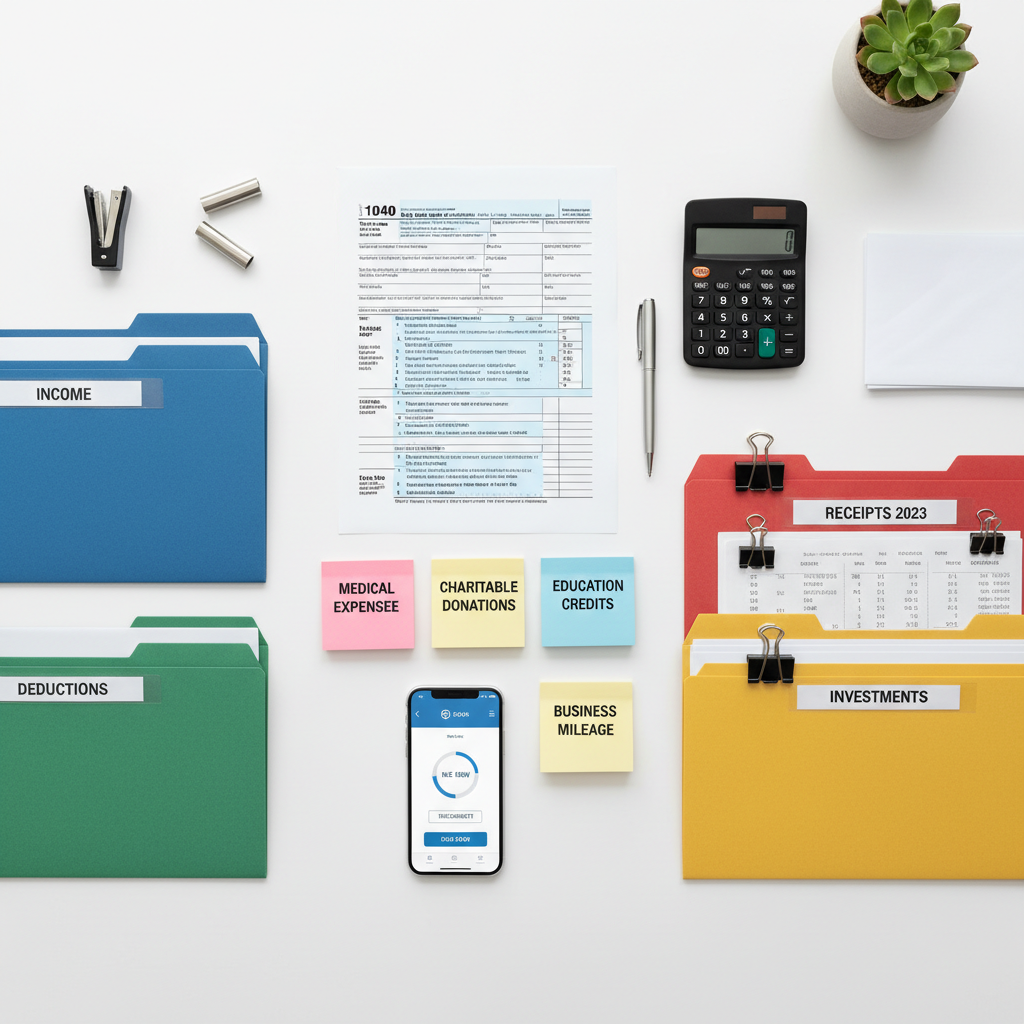
Moreover, DIY software is typically accessible online, allowing users to complete their taxes at their convenience. Many platforms also offer customer support via chat or phone, adding an extra layer of assistance if needed.
Exploring Professional Tax Services
Professional tax services, on the other hand, offer a personalized approach to tax filing. Tax professionals are equipped with the knowledge and expertise to handle complex tax situations, ensuring accuracy and maximizing potential refunds.
One advantage of hiring a tax professional is the peace of mind that comes with knowing your taxes are handled by an expert. This can be particularly beneficial for individuals with complicated financial situations or those who lack the time or confidence to tackle taxes on their own.

Additionally, a tax professional can provide valuable advice on tax planning and strategies, helping clients make informed financial decisions throughout the year.
Comparing Costs
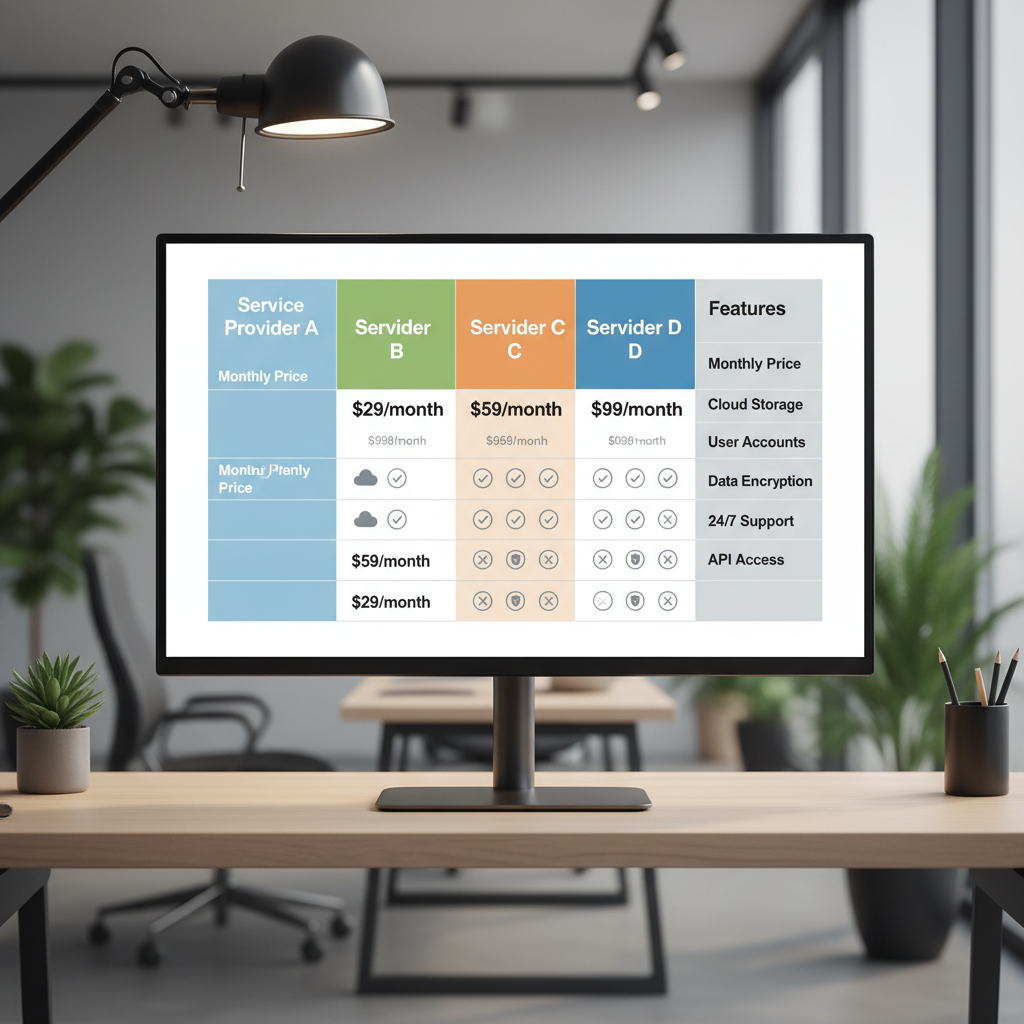
When comparing the costs of DIY tax software versus professional tax services, it's important to consider both upfront expenses and potential savings. DIY software is generally more affordable, especially for those with straightforward tax situations.
However, professional services might offer more significant savings in the long run by identifying deductions and credits that software might overlook. For those with more complex financial scenarios, the investment in a professional could be worthwhile.
Ease of Use and Convenience
DIY tax software is designed to be intuitive and user-friendly, making it an appealing choice for tech-savvy individuals comfortable with online platforms. Many programs offer features like importing previous tax returns and integration with financial institutions, streamlining the process.
Conversely, professional tax services provide a hands-off approach, handling all aspects of tax preparation and filing. This can be particularly beneficial for busy individuals or businesses looking to save time and reduce stress during tax season.
Accuracy and Reliability
Accuracy is paramount when it comes to tax filing. DIY tax software includes checks and balances to minimize errors, but the responsibility ultimately falls on the user to input accurate data.
Professional tax preparers are trained to identify errors and ensure compliance with tax laws, reducing the likelihood of mistakes that could lead to audits or penalties.
Making the Right Choice
Ultimately, the decision between DIY tax software and professional tax services depends on individual needs and circumstances. For those with simple tax situations and a desire to save money, DIY software might be the best fit.
Conversely, individuals with complex financial situations or those seeking personalized advice might find the investment in professional services more beneficial. Consider your specific tax situation, budget, and personal preferences when making your choice.