
Common Tax Filing Mistakes and How to Avoid Them
GD
Understanding Common Tax Filing Mistakes
Filing taxes can be a daunting task, and it's easy to make mistakes that could cost you time and money. Understanding and avoiding common errors can help streamline the process and ensure that you comply with tax regulations.
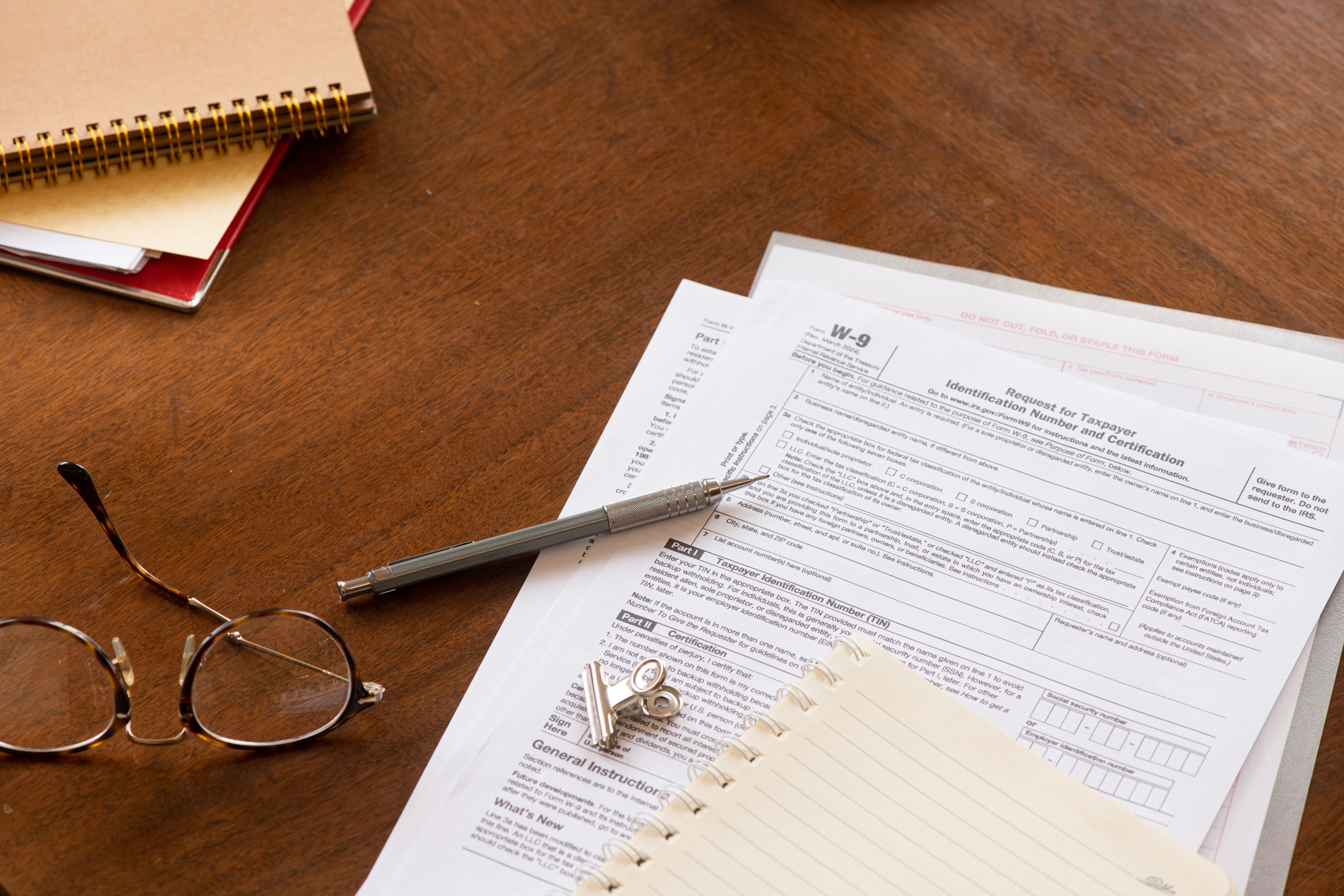
Incorrect or Missing Personal Information
One of the most common mistakes is entering incorrect or missing personal information, such as Social Security numbers or names. This can lead to processing delays or even rejections. Double-check every entry to ensure accuracy.
Filing Status Errors
Choosing the wrong filing status can significantly affect your tax return. Whether you're single, head of household, or married filing jointly, selecting the correct status is crucial. Review the IRS guidelines if you're unsure which status applies to you.
Overlooking Income Sources
It's common to forget to report all sources of income, especially if you have multiple jobs or side gigs. Keep track of all W-2s and 1099 forms to ensure you report everything accurately. Missing income can trigger an audit.

Errors in Deductions and Credits
Deductions and credits can lower your tax bill, but claiming them incorrectly can lead to issues. Ensure you have the necessary documentation and understand the eligibility requirements for each deduction or credit you claim.
Mathematical Mistakes
Even a small mathematical error can cause significant issues with your tax return. If you're filing manually, use a calculator or tax software to minimize errors. Many online tax preparation tools automatically calculate for you, reducing the risk of mistakes.
Missing the Filing Deadline
Missing the tax filing deadline can result in penalties and interest. To avoid this, mark your calendar and set reminders well in advance. If you can't file on time, consider requesting an extension.

Not Keeping Copies of Your Return
Failing to keep copies of your tax return and supporting documents can create problems if you're audited or need to reference them in the future. Ensure you store both digital and physical copies securely.
Ignoring IRS Notices
If you receive a notice from the IRS, don't ignore it. Promptly respond to any correspondence to resolve issues quickly. Ignoring notices can lead to increased penalties and complications.
Utilizing Professional Help
If you're unsure about your taxes, consider seeking professional help from a tax advisor or accountant. They can help ensure everything is filed correctly and maximize your potential refunds.
By understanding and avoiding these common tax filing mistakes, you can make the process smoother and more efficient. Stay informed, organized, and proactive to ensure your tax filing experience is as stress-free as possible.