
Common Tax Filing Mistakes and How to Avoid Them
GD
Understanding Common Tax Filing Mistakes
Filing taxes can be a daunting task, and even the most meticulous individuals can make errors. These common mistakes can lead to delays, penalties, or even audits. By understanding these errors, you can ensure a smoother tax filing process.
Incorrect Personal Information
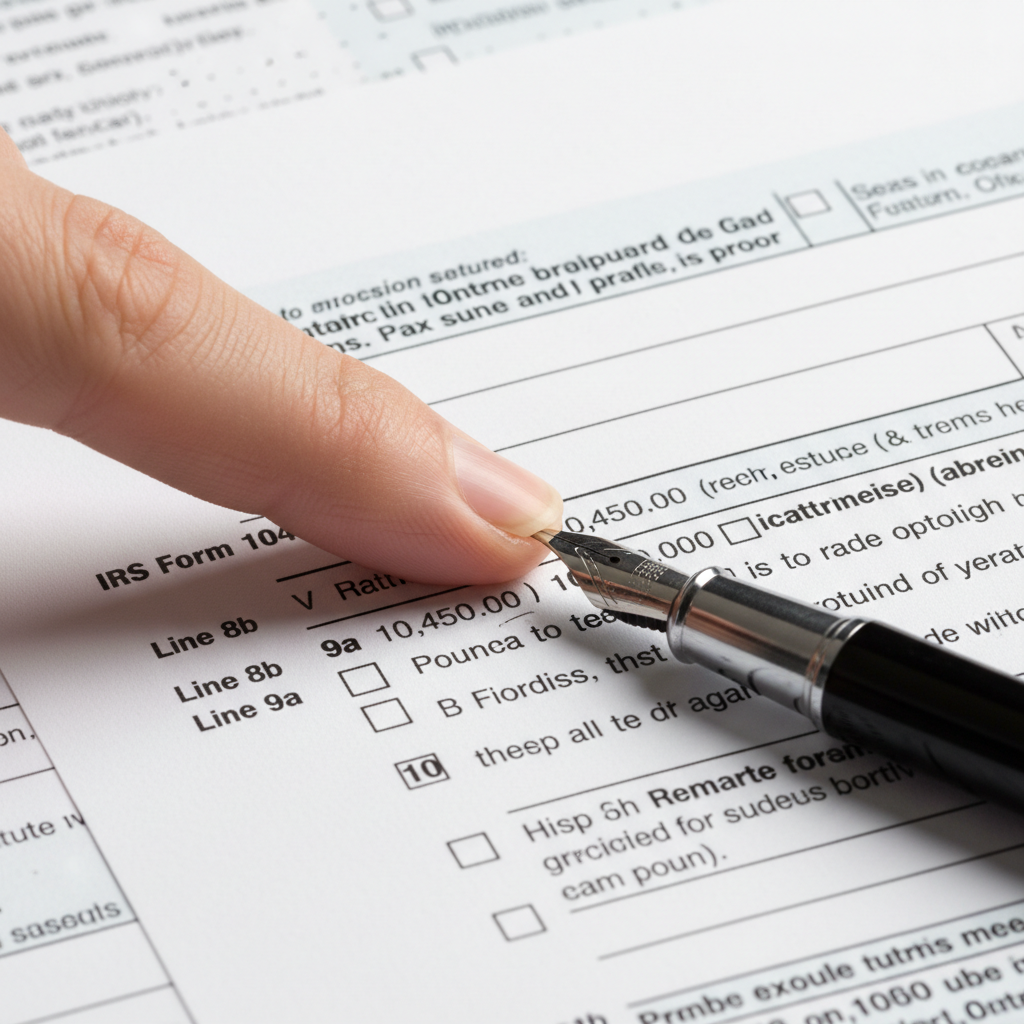
One of the most common mistakes is entering incorrect personal information such as your Social Security number, name, or filing status. These errors can result in processing delays or rejected returns. Double-check all personal details before submission to avoid these issues.
Missing or Incorrect Income Reporting
Failing to report all income can lead to significant problems. Whether it's a side gig or interest from a savings account, ensure that you report all sources of income. Utilize Form 1099s and other documents to verify your earnings.
Overlooking Deductions and Credits
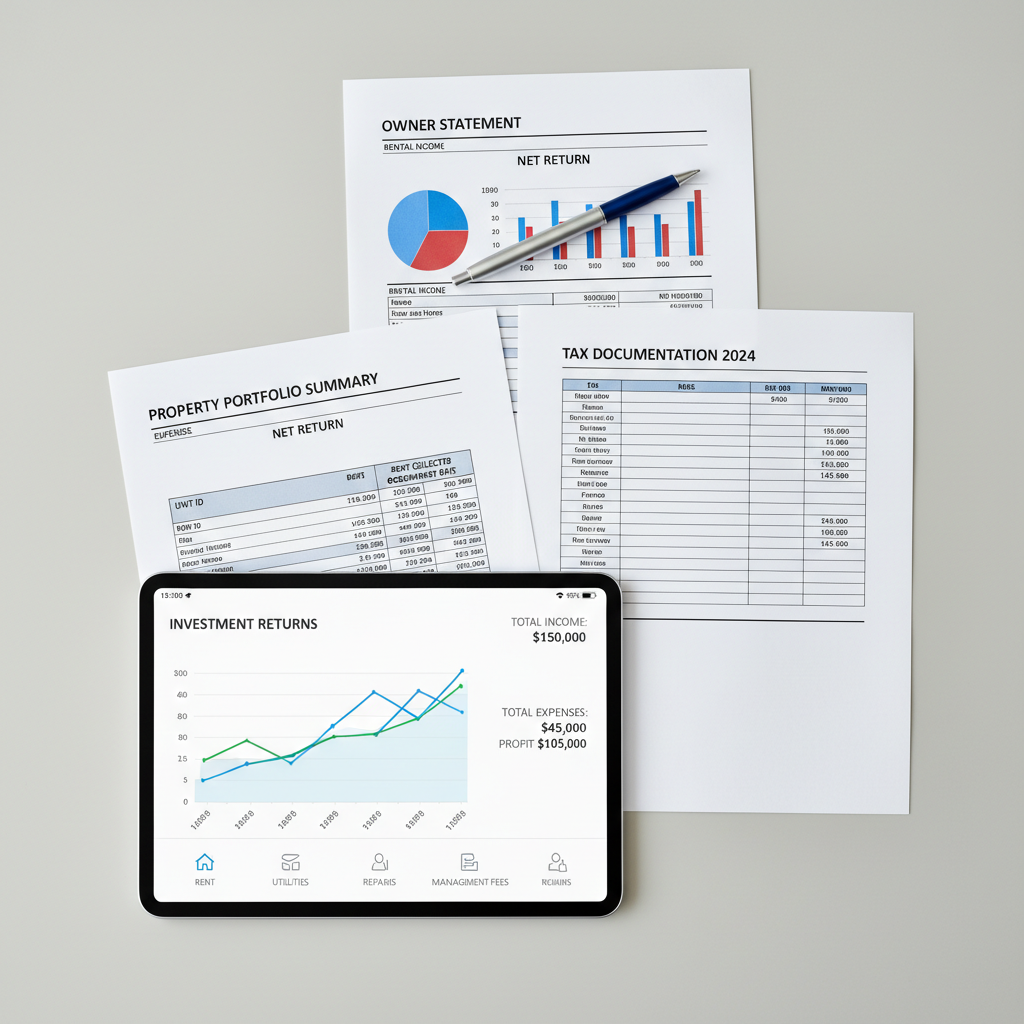
Tax deductions and credits can significantly reduce your tax liability. However, overlooking these opportunities is a common mistake. Familiarize yourself with available deductions and credits, such as those for education, homeownership, or energy-efficient upgrades.
Mathematical Errors
Mathematical errors are surprisingly common during tax filing. Simple addition or subtraction mistakes can cause discrepancies in your return. To avoid this, consider using tax software, which can automatically perform calculations for you.

Filing Late or Not at All
Missing the tax filing deadline is a mistake that can lead to penalties and interest. If you are unable to file on time, consider applying for an extension. Remember, an extension to file is not an extension to pay any taxes due.
Choosing the Wrong Filing Status
Choosing the correct filing status is crucial as it affects your tax rate and eligibility for certain credits and deductions. If you're unsure, seek guidance from a tax professional to determine the most beneficial status for your situation.
Not Keeping Adequate Records
Maintaining thorough records is essential for an accurate tax return. Keep receipts, statements, and other relevant documents organized throughout the year to ensure you can substantiate any claims made on your return.

Conclusion
Avoiding these common tax filing mistakes can save you time, money, and stress. By paying attention to details and utilizing available resources, you can file your taxes with confidence and peace of mind.