
Preparing for Tax Season: Checklist for Residents of Monmouth County
GD
Understanding Your Tax Obligations
As a resident of Monmouth County, preparing for tax season involves understanding your specific tax obligations. Ensure you are aware of both federal and state requirements. New Jersey has its own set of tax laws that might differ from federal regulations, so double-check your responsibilities to avoid any penalties.
It's crucial to determine whether you need to file a state tax return in addition to a federal one. Residents of New Jersey are typically required to do both, especially if they meet certain income thresholds.
Gathering Necessary Documents
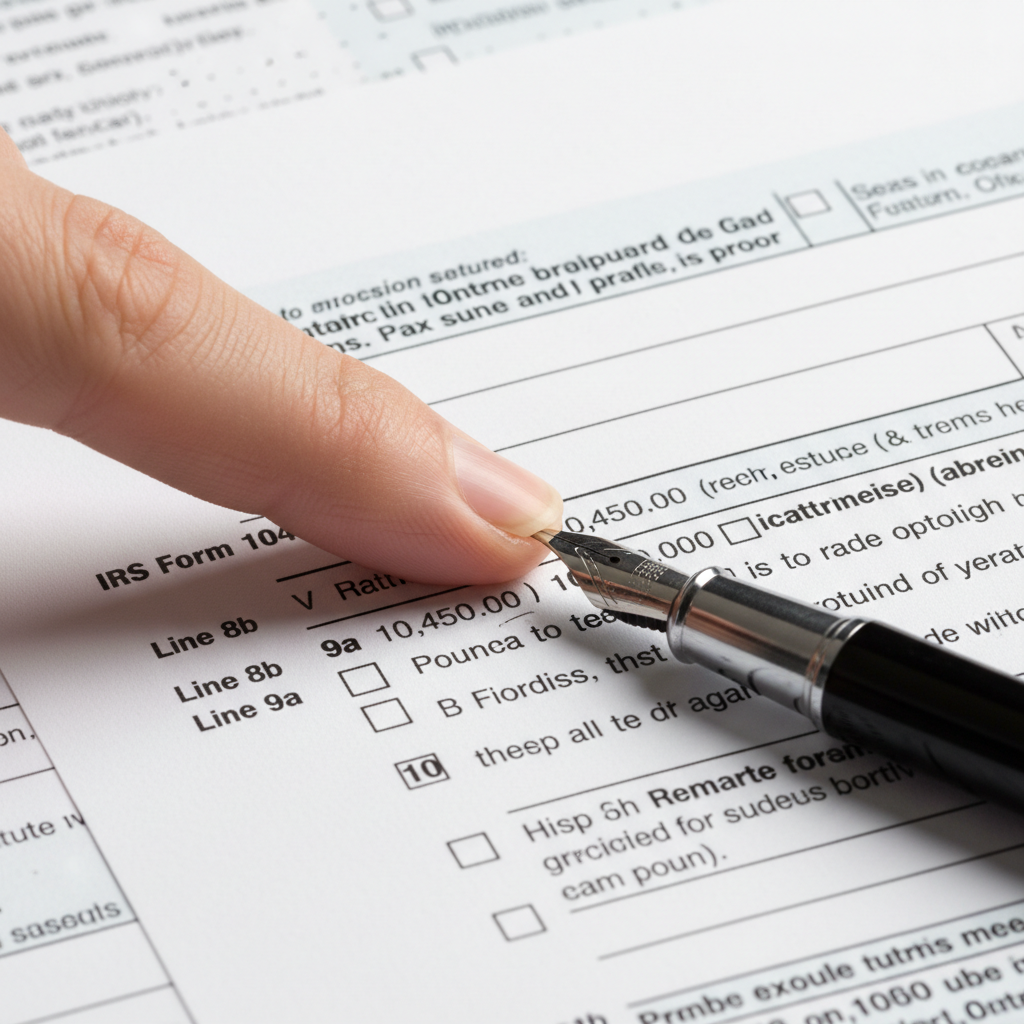
Start by gathering all necessary documents to streamline your tax filing process. Key documents include W-2 forms from employers, 1099 forms for independent contractors, and any documents related to investments or rental properties.
Don't forget to collect receipts for deductible expenses. This might include medical expenses, mortgage interest, or charitable donations. Having these documents ready can help you maximize deductions and credits.
Exploring Tax Deductions and Credits
Understanding available tax deductions and credits can significantly reduce your tax liability. For Monmouth County residents, common deductions might include property taxes and state income taxes. Look into specific credits that apply to New Jersey residents, such as the Earned Income Tax Credit or the Child and Dependent Care Credit.
Consider consulting with a tax professional to ensure you’re taking advantage of all possible deductions and credits. This professional guidance can be especially beneficial if your financial situation has changed over the past year.

Choosing the Right Filing Method
Deciding how to file your taxes is another important step in the preparation process. Residents can choose to file taxes electronically or via paper forms. E-filing is often faster and allows for quicker refunds, while paper filing may be preferred by those who are more comfortable with traditional methods.
Many residents opt for professional tax services to handle their filings. This can be particularly helpful if your tax situation is complex or if you're unfamiliar with filing requirements.
Planning for Tax Payments
If you owe taxes, planning your payments is essential. Monmouth County residents should be aware of the deadlines for both federal and state tax payments to avoid late fees. Consider setting aside funds in advance to cover any expected tax liability.
Some individuals may benefit from setting up a payment plan if they cannot pay their taxes in full by the deadline. This can help manage financial strain while keeping you in good standing with tax authorities.

Keeping Records and Documentation
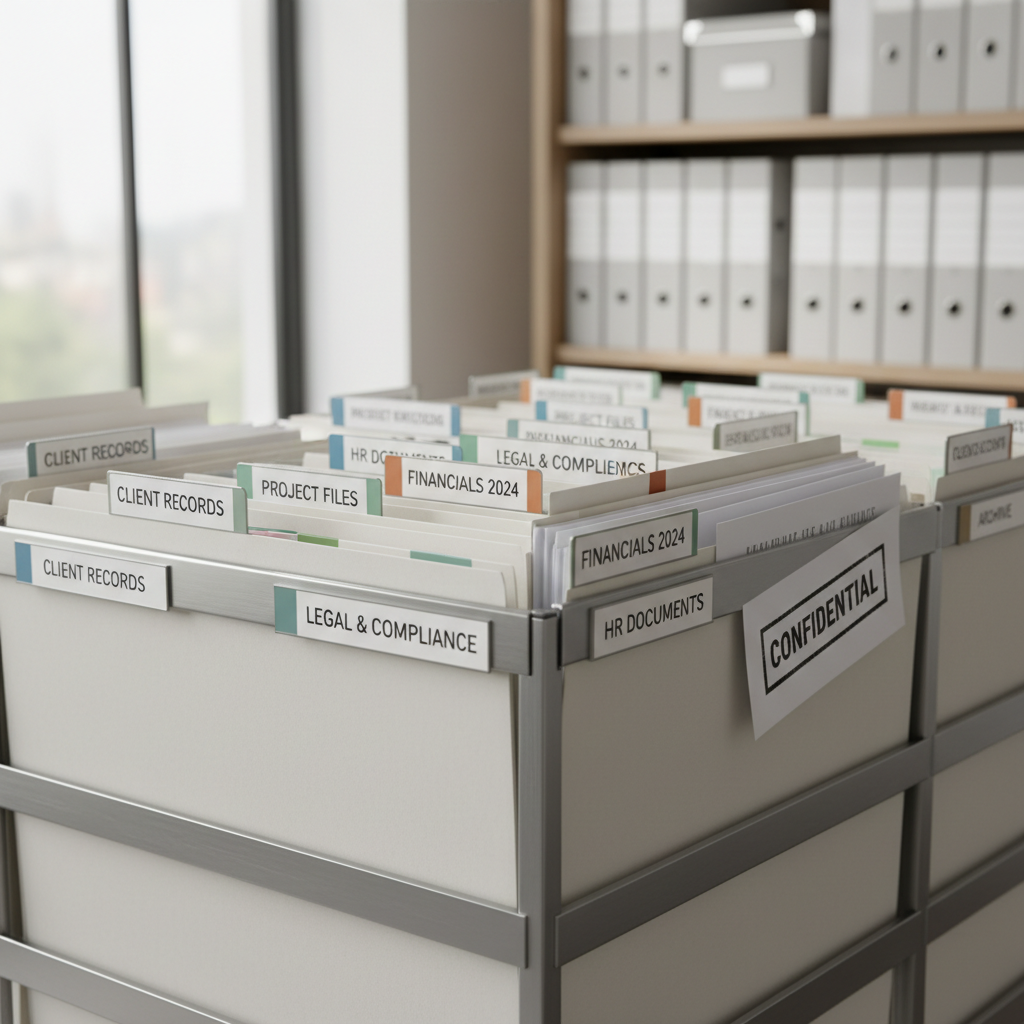
After filing your taxes, be sure to keep copies of all forms and supporting documents. Keeping organized records is crucial for future reference and in case of audits. Experts recommend keeping tax records for at least three years.
A well-organized filing system can help you quickly locate documents when needed, saving you time and stress during future tax seasons.
By following this checklist, residents of Monmouth County can navigate tax season with greater confidence and ease. Preparation and attention to detail are key to a smooth tax filing experience.