
Year-Round Tax Planning Tips for Small Business Owners in Monmouth County
GD
Understanding Year-Round Tax Planning
For small business owners in Monmouth County, effective tax planning isn't just a seasonal task—it's a year-round responsibility. By staying proactive, you can optimize your tax liabilities and ensure compliance with ever-changing tax laws. Implementing a strategic approach throughout the year can also lead to significant savings.
Year-round tax planning involves keeping meticulous records, understanding deductions and credits, and planning for future expenses. This continuous process allows you to make informed financial decisions and avoid last-minute stress during tax season.

Track Your Expenses Diligently
One of the most crucial aspects of tax planning is tracking your expenses. Maintaining detailed records of all business transactions will not only help during tax filing but also provide insights into your business's financial health. Use accounting software to categorize expenses and ensure accuracy.
Consider keeping digital copies of all receipts and invoices. This not only saves physical space but also makes it easier to access and review your financial documents when needed. Regularly reviewing these records will help you identify potential deductions and adjust your strategies accordingly.

Understand Available Deductions
Small businesses have access to a variety of deductions that can significantly reduce taxable income. These can include costs related to office supplies, travel expenses, and even home office deductions. It's essential to remain informed about the deductions applicable to your business.
Consult with a tax professional to ensure you are taking full advantage of all available deductions. They can provide guidance on complex deduction rules and help you make the most out of your eligible expenses.
Plan for Estimated Taxes
Unlike salaried employees, small business owners often need to pay estimated taxes quarterly. Failing to plan for these payments can result in penalties and interest. Calculating your estimated tax payments requires an understanding of your expected income, deductions, and credits for the year.
Use a Tax Calendar
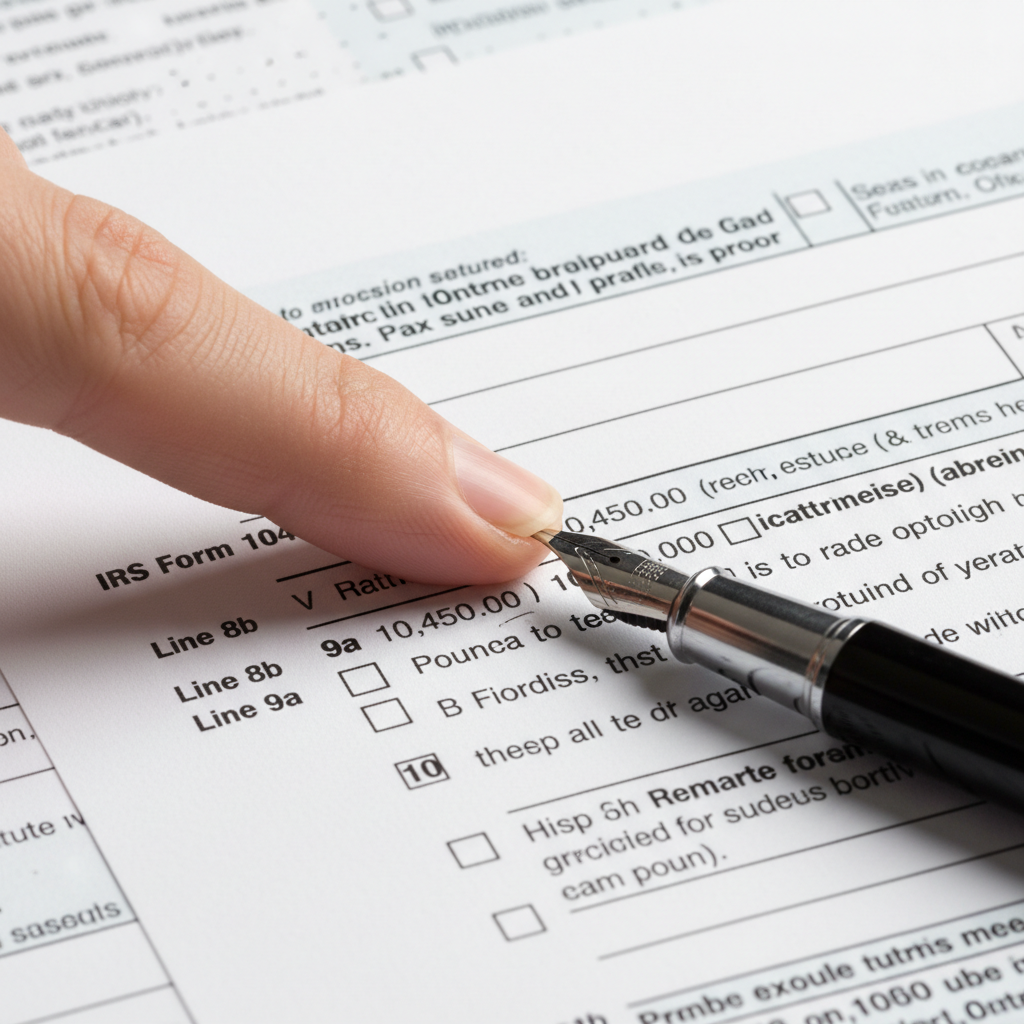
Creating a tax calendar is a simple yet effective way to manage important deadlines, such as estimated tax payments and filing dates. Mark these dates clearly and set reminders to ensure you're always prepared. Consistent attention to your tax calendar can prevent last-minute scrambles and ensure timely compliance.
Review Financial Statements Regularly
Regularly reviewing your financial statements enables you to monitor your business's financial performance. Analyze your balance sheet, income statement, and cash flow statement to identify trends and make informed decisions. This practice not only aids in tax planning but also boosts overall financial management.
Use these insights to adjust your strategies and plan for any potential tax liabilities. Staying informed about your financial standing helps you navigate challenges and seize opportunities effectively.
Consult a Tax Professional
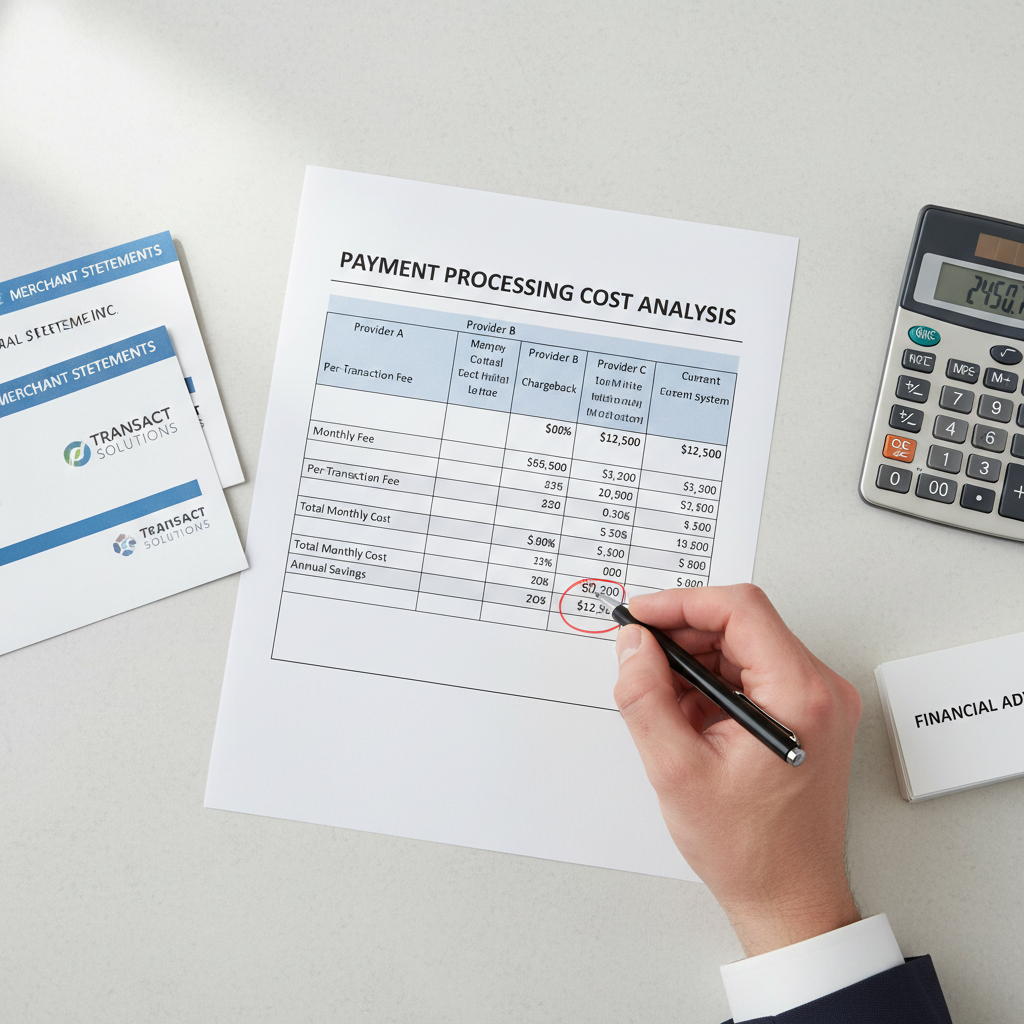
While year-round tax planning can be managed independently, consulting with a tax professional offers numerous benefits. They can provide personalized advice, ensure compliance with local and federal tax laws, and help you implement strategies for maximizing savings.
In Monmouth County, finding a knowledgeable tax advisor familiar with local regulations can be invaluable. Their expertise will help you navigate the complexities of tax planning and ensure your business remains on solid financial footing.